
Real estate wholesaling has changed significantly over the past few years. Increased competition, tighter regulations, and evolving marketing channels have caused many investors to question whether wholesaling is still a viable business model.
In this guide, we break down whether real estate wholesaling is worth it in 2026, what has changed in the market, and what investors must do to succeed moving forward.
Real estate wholesaling involves finding motivated sellers, securing properties under contract, and assigning those contracts to buyers for a profit.
The model itself has not changed. What has changed is how deals are found, followed up, and closed. Investors who understand this distinction are better positioned to succeed in the current market.
Many investors struggle because they are using outdated strategies.
Relying only on cold calling, skipping follow-up, or using disorganized lead management no longer produces consistent results. Increased competition means sellers have more options and higher expectations.
This has led some to believe wholesaling no longer works, when in reality the approach needs to evolve.
Yes, real estate wholesaling can still be profitable in 2026 when done correctly.
Profitable wholesalers focus on systems, consistency, and long-term follow-up. They understand that most deals do not happen immediately and that success comes from staying organized and responsive over time.
Those who treat wholesaling like a business instead of a hustle continue to close deals.
The biggest changes involve competition, compliance, and communication.
More investors are marketing to the same sellers. Regulations around outreach require more responsible communication. Sellers expect faster and clearer responses.
These changes reward investors who use structured systems instead of manual effort.
SMS marketing has become one of the most effective tools for wholesalers.
Text messaging allows investors to start conversations quickly, follow up consistently, and stay top of mind without being intrusive. When used responsibly, SMS marketing supports long term deal creation instead of one time outreach.
In 2026, wholesalers who ignore SMS are often at a disadvantage.
Most wholesale deals come from follow up, not first contact.
CRM systems such as Follow Up Boss allow wholesalers to track conversations, organize leads, and schedule follow ups automatically. This structure prevents missed opportunities and keeps communication professional.
In a competitive market, organization becomes a major advantage.
Successful wholesalers focus on quality conversations instead of volume.
They use targeted data, communicate clearly, follow up consistently, and rely on systems instead of memory. They understand that many sellers take time to decide and stay patient without losing visibility.
This approach creates predictable deal flow over time.
Most failures come from lack of structure.
Inconsistent follow up, poor lead organization, and reliance on outdated outreach methods lead to frustration and burnout. Without systems, even strong marketing efforts break down.
Wholesalers who adapt avoid these pitfalls.
REI Marketing Pro helps real estate wholesalers build modern marketing and follow up systems.
This includes compliant SMS marketing, CRM setup using tools like Follow Up Boss, and structured follow up workflows designed for today’s market. The goal is to help investors compete smarter, not harder.
Real estate wholesaling is still worth it in 2026, but only for investors willing to adapt.
The days of random outreach and manual tracking are over. Success now depends on systems, communication, and consistency.
Wholesalers who embrace these principles continue to close deals while others fall behind.
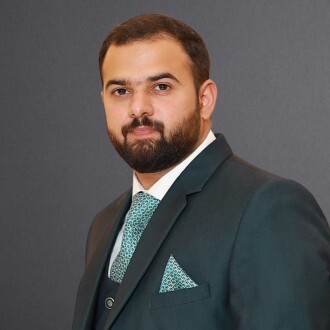
Real Estate Lead Generation Expert with over 7 years of experience, specializing in providing comprehensive services to wholesalers, investors, and realtors across the U.S. Zeeshan leverages multiple marketing channels to deliver impactful results, drawing on his deep expertise in crafting content tailored for diverse platforms. When not immersed in marketing, he is actively exploring more about AI and automation, continually seeking ways to innovate and enhance his marketing strategies.